
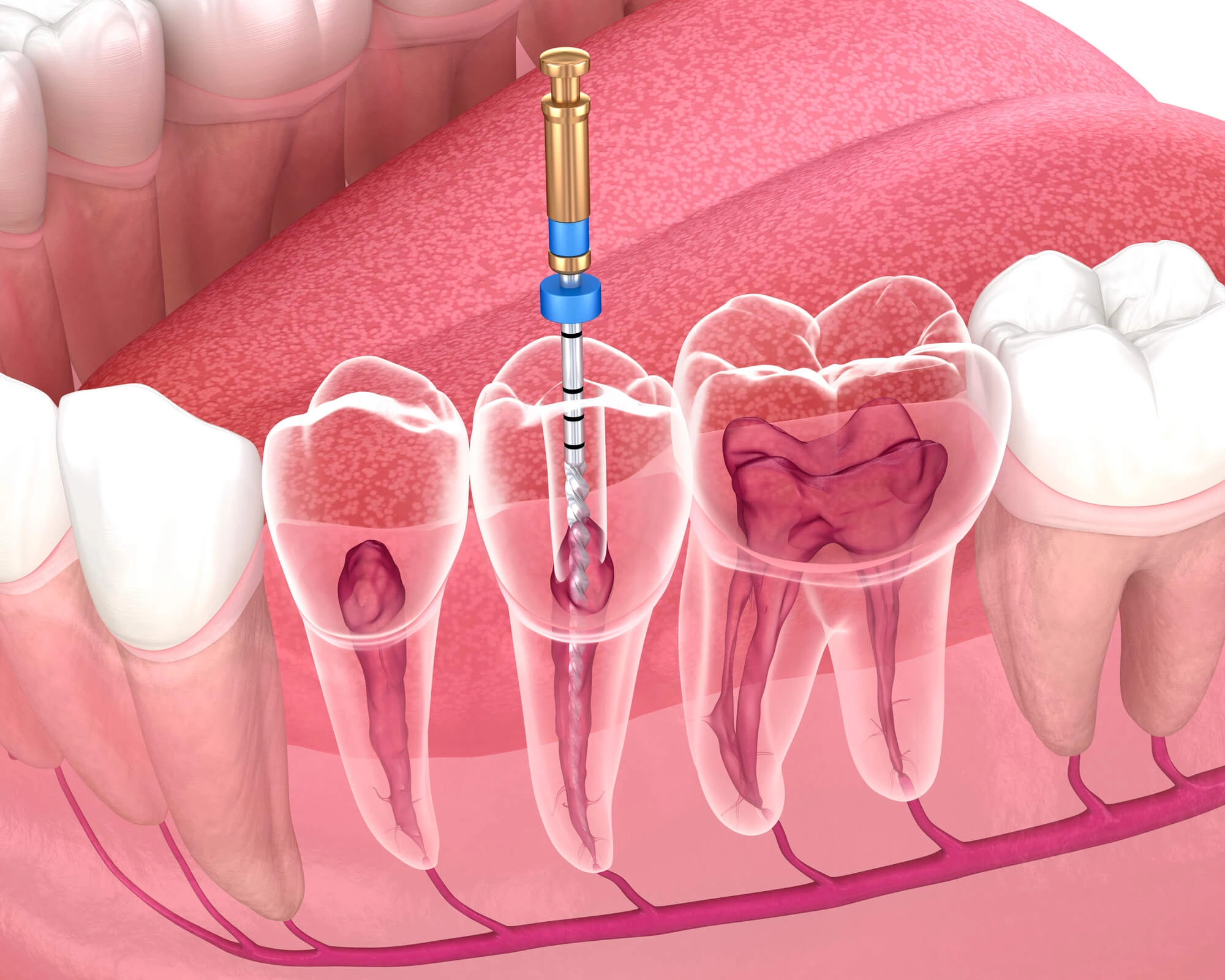
If you've recently undergone endodontic treatment, understanding the recovery process is essential for optimal healing. Getting root canals in Opelika doesn't have to be a stressful experience when you know what to expect during the healing phase. This comprehensive guide will walk you through everything you need to know to recover from your procedure, manage discomfort, and protect your investment in oral health.
What to Expect Immediately After Your Procedure
The first few hours following your endodontic therapy are critical for setting the stage for successful recovery. You may experience numbness in the treated area for several hours after leaving the dental office. During this time, avoid eating or drinking hot beverages to prevent accidentally biting your cheek or tongue. Some sensitivity and mild discomfort are completely normal as the anesthesia wears off and your tooth begins healing. The tissue surrounding the treated tooth may feel tender or slightly swollen, which typically subsides within a few days.
Managing Discomfort During the Healing Process
Pain management is one of the most common concerns patients have after endodontic therapy. Most people find that over-the-counter pain relievers effectively manage any discomfort. Taking medication as directed before the numbness completely wears off can help you stay ahead of any pain. Applying a cold compress to the outside of your cheek near the treated area can reduce swelling and provide additional relief. The discomfort should gradually decrease each day, with most patients returning to normal within 3 to 5 days.
Essential Do's and Don'ts for Optimal Recovery
Following specific guidelines during your recovery period will help ensure the best possible outcome. Here are important practices to follow:
- Avoid chewing on the treated side until your permanent restoration is placed
- Maintain your regular oral hygiene routine, brushing and flossing gently around the treated tooth
- Eat soft foods for the first few days to minimize pressure on the healing area
- Stay away from extremely hot or cold foods and beverages that may trigger sensitivity
- Continue taking any prescribed antibiotics for the full course, even if you feel better
- Avoid sticky or hard foods that could damage the temporary filling
When to Contact Your Dental Provider
While most recovery experiences are straightforward, certain symptoms warrant professional attention. Contact your dental office if you experience severe pain that worsens after several days or doesn't respond to over-the-counter medication. Visible swelling that increases rather than decreases, signs of an allergic reaction to medication, or a temporary filling that becomes loose or falls out all require prompt evaluation. If you develop a fever or prolonged sensitivity that persists beyond one week, this could indicate complications requiring additional treatment.
Long-Term Care After Endodontic Treatment
Your tooth will need a permanent restoration to protect it and restore full function. This typically involves placing a crown, which provides strength and prevents fracture of the treated tooth. The permanent restoration is usually completed within a few weeks of your root canal procedure. Once fully restored, your tooth can function just like your other natural teeth with proper care. Regular dental checkups, consistent brushing and flossing, and avoiding habits like chewing ice or biting hard objects will help your treated tooth last for many years or even a lifetime.
Schedule Your Appointment for Root Canals in Opelika Today
Recovering from endodontic therapy is a manageable process when you have the right information and follow proper aftercare instructions. If you're experiencing tooth pain or have been told you need treatment, Opelika Dental Arts provides compassionate, professional care designed with your comfort in mind. Our experienced team in Opelika, AL, ensures you receive comprehensive guidance throughout your treatment and recovery journey, helping you maintain optimal oral health for years to come. Schedule your appointment now.